Domestic Abuse Counseling in Provo, Utah
- Support for Emotional and Verbal Abuse Survivors
- Trauma-Informed, Compassionate Care
- A Safe, Supportive Environment
Healing from Emotional Abuse, Verbal Abuse, and Domestic Violence
If you’ve experienced domestic violence or emotional abuse, you may carry invisible wounds that are just as painful as physical harm. The effects of emotional abuse often include anxiety, depression, fear, post traumatic stress disorder, and a deep sense of low self esteem. At Lighthouse Counseling, we offer domestic abuse counseling in a safe, nonjudgmental space where your story is heard and your healing is supported.
Domestic violence takes many forms. It can include physical abuse, verbal abuse, sexual abuse, and emotional abuse such as gaslighting, constant criticism, silent treatment, or isolation. These behaviors are not about anger, but about control. The person causing harm may use common tactics like blame-shifting, threats, or insults to maintain control over your thoughts, feelings, or even other relationships.
If you’re wondering whether what you’ve gone through “counts” as abuse, please know: if it hurt, confused, or scared you, that’s enough. You don’t have to prove it or minimize it. You deserve support.
Our approach to emotional abuse therapy centers on rebuilding safety, self-worth, and connection. Whether you’re currently in an abusive situation or healing from past experiences, we will help you process difficult memories, restore your internal sense of safety, and take empowering steps toward your future.
In counseling, we also explore how chronic stress from abuse affects your mental health, including symptoms like panic attacks, difficulty concentrating, or emotional numbness. We work together to build coping strategies, release the shame that was never yours to carry, and reclaim your identity outside of the pain you’ve endured.

Domestic Violence and Emotional Abuse Recovery Tools
These resources are helpful for those navigating the aftermath of emotional abuse, verbal abuse, or domestic violence. Whether you’re looking for education, empowerment, or understanding, these books offer a lifeline.
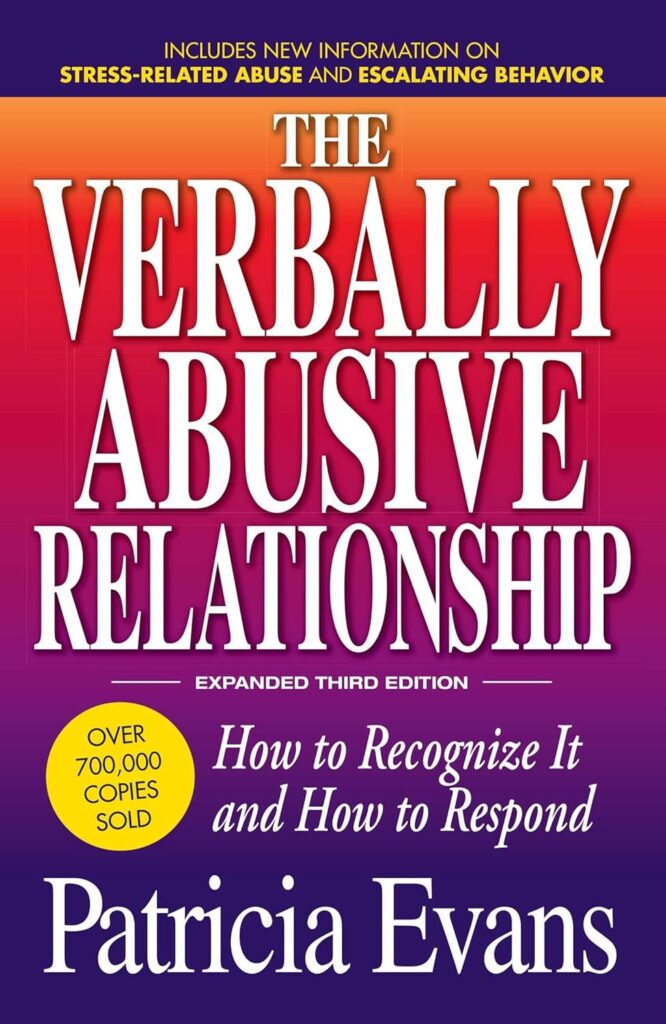
The Verbally Abusive Relationship: How to Recognize It and How to Respond
by Patricia Evans
This guide exposes the many faces of verbal abuse, from subtle put-downs to overt threats, and shows how these patterns erode self-esteem and emotional health. With practical scripts and boundary-setting tools, Evans empowers individuals to stand up to abuse and reclaim their self-worth.

Whose Face Is in the Mirror?: The Story of One Woman's Journey from the Nightmare of Domestic Abuse to True Healing
by Dianne Schwartz
This powerful memoir traces Dianne Schwartz’s journey from an abusive marriage to personal liberation and healing. Through raw honesty and practical self-help tools, she guides readers in recognizing abuse and reclaiming their lives.
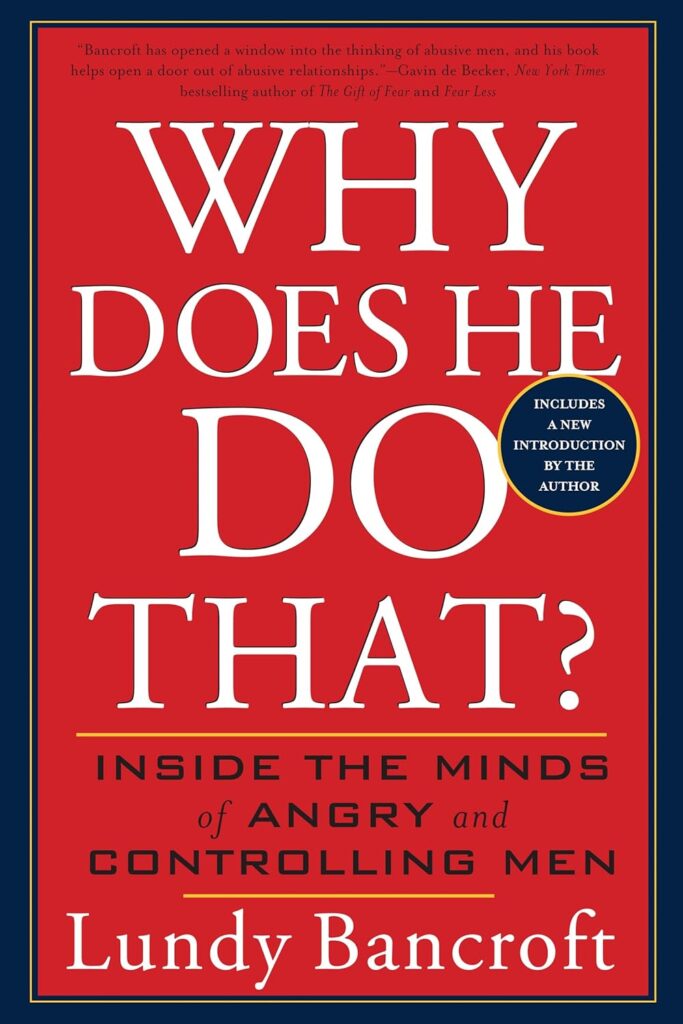
Why Does He Do That?: Inside the Minds of Angry and Controlling Men
by Lundy Bancroft
This book explores the mindset behind abusive behavior, revealing that it stems from entitlement and control rather than uncontrollable anger. It offers victims clear insights into manipulation tactics and the tools needed to find safety and healing.
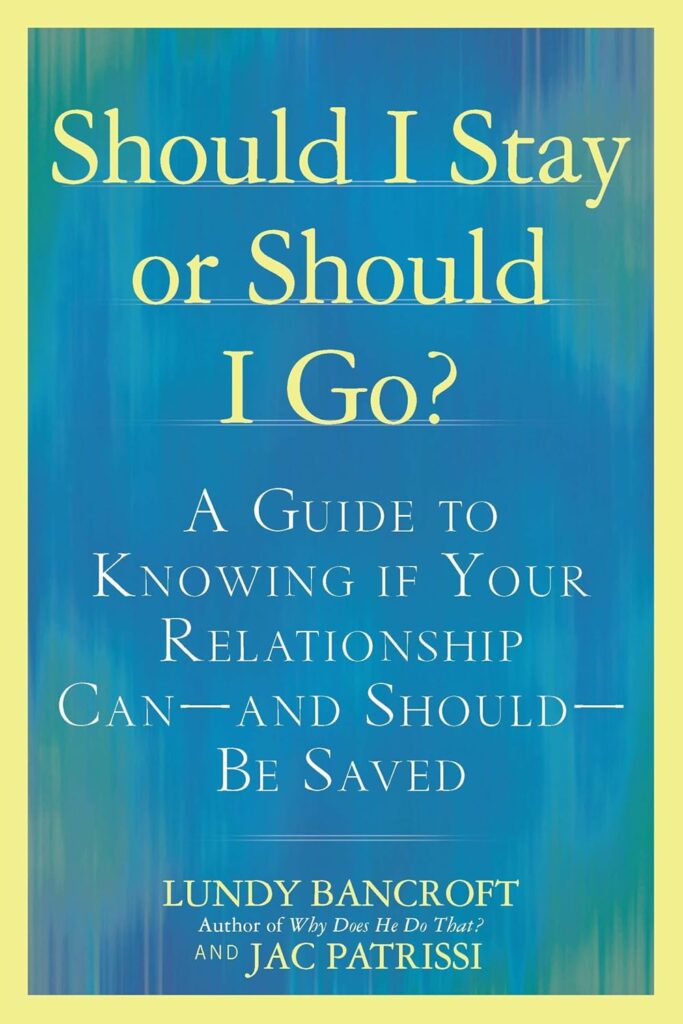
Should I Stay or Should I Go?: A Guide to Knowing if Your Relationship Can and Should Be Saved
by Lundy Bancroft and JAC Patrissi
This guide helps individuals assess whether their relationship is truly changeable or inherently destructive. It provides clarity, exercises, and support for making empowered decisions rooted in self-respect and emotional safety.
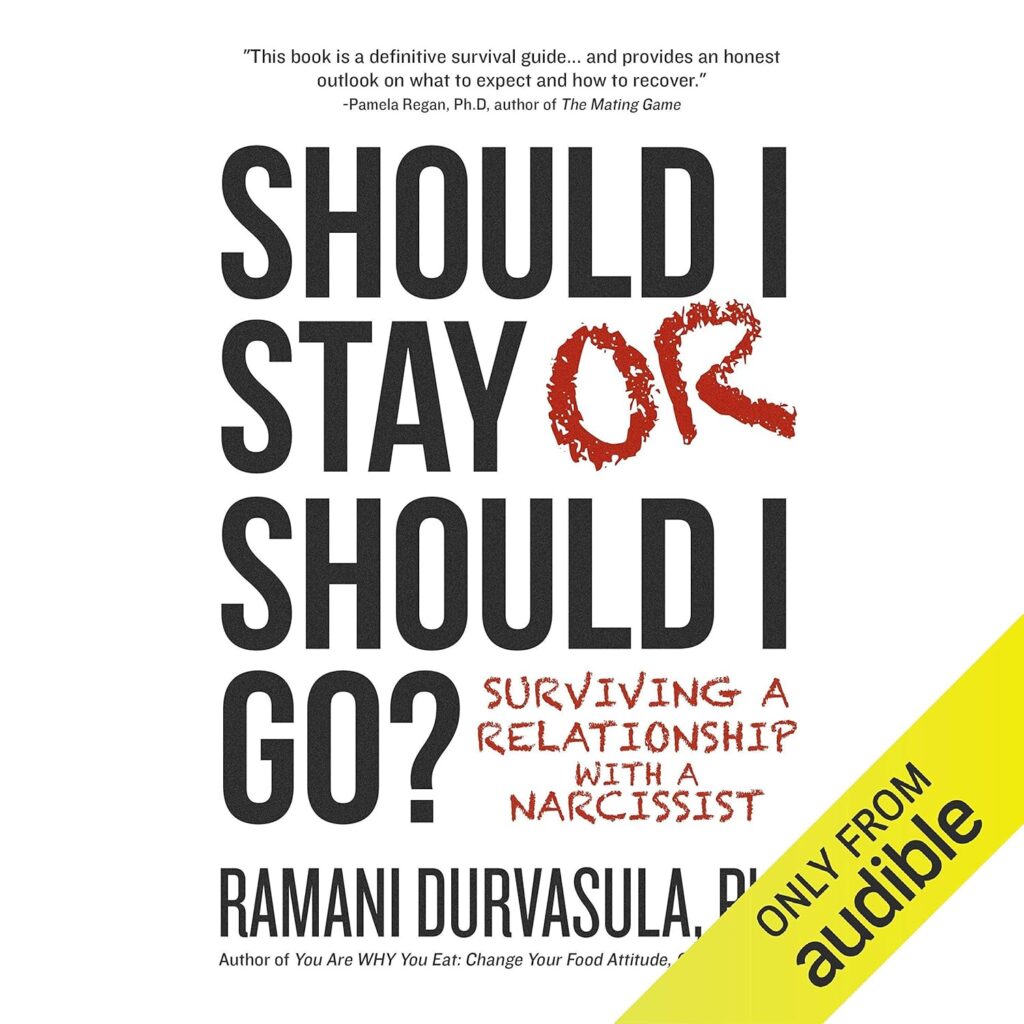
Should I Stay or Should I Go?: Surviving a Relationship with a Narcissist
by Ramani Durvasula, Ph.D.
This book helps readers recognize the signs of narcissistic abuse and understand how deeply it affects emotional well-being. Durvasula offers tools for boundary-setting, self-reflection, and deciding whether to stay or leave while reclaiming personal strength.
Testimonials from Those We've Helped
I highly recommend Dean Anderson and his practice. He is the perfect balance of listening to understand, and then offering useful, practical solutions and tools to help you improve your life. I look forward to working with him in the future.
Kristy
I’ve had an amazing experience working with Dean! Dean provides the perfect balance of listening and providing good feedback. He’s also a very respectful, light-hearted, and trustable counsellor. And as someone who has had multiple therapists, Dean was by far the one that I’ve had the best experience with. Multiple factors go into having a good therapy experience, but I think Dean is absolutely worth giving a shot in your journey of healing.
Noah

Lighthouse Counseling and Dean Anderson has been wonderful to work with over the years. I can’t say enough how much good has come from working with Dean and the wonderful folks at Lighthouse. I can honestly say Dean has been a game changer for my marriage!
Travis

Dean has helped me so much with managing anxiety. I highly recommend working with him or at least having an intro meeting!
Mark
I recommend Dean to everyone in my life! I was honestly a bit hesitant to go to a male therapist, but I am so grateful I did—he is so knowledgeable and gentle and compassionate, and has really really helped me the past few years!
Clara
Dean is a great therapist. His humanistic style pushes me to take initiative for my own thoughts and build confidence in my own decisions.
Grayson
Dean is an amazing therapist. He listens so well, and provides great insight and tools to help you with your struggles and topics of discussion.
Renon
Your Path to Healing Starts Here
Your healing matters. Let’s begin together
1
Let’s Talk
Your first step is simply reaching out. We’re here to listen and help.
2
Your Safe Place Begins Here
You’ll sit down with Dean, someone who truly listens and tailors your care to your needs.
3
Begin Your Healing Journey
Together with Dean, you’ll build a path forward that honors your values, goals, and pace.
4
Keep Growing Between Sessions
Healing doesn’t stop after your session. Dean’s resources help you keep growing, learning, and feeling supported.

We’ll help you with insurance
At your first session, we will evaluate your insurance and help you understand your costs and possible options.
Flexible Monthly Payment Plans
Affordable self-pay rates and flexible monthly plans available.
We’ll Help You With Insurance
At your first session we will evaluate your insurance and help you understand your costs and possible options.
Get Started Today
Call us to review your options and schedule your first appointment.
Frequently Asked Questions About Domestic Abuse Counseling
If you’re healing from emotional abuse or domestic violence, it’s okay to have questions. This section offers guidance on when to seek help, how therapy can support recovery from trauma, substance abuse, or chronic pain, and ways to connect with support groups. It’s never your fault—and you don’t have to face your abuser’s impact alone.
What type of therapy is used for domestic violence victims?
Trauma-focused therapies such as Trauma-Focused Cognitive Behavioral Therapy (TF-CBT), Present-Centered Therapy, RISE, or HOPE are commonly used to support survivors of intimate partner violence. These approaches help process traumatic memories, reduce PTSD or depression, build safer coping skills, and support positive change in daily life.
Call 801‑367‑7505 to schedule an appointment to find the right therapy for you.
Does domestic violence counseling work?
Yes, counseling for victims of domestic abuse is effective in reducing symptoms of depression, anxiety, PTSD, and improving mental health and communication with family and children. It helps survivors regain emotional safety, rebuild trust in themselves, and reduce lasting effects of abuse.
You can reach out for an appointment to begin healing and reclaiming your life.
What can be done about verbal abuse?
Verbal abuse, including name-calling, threats, gaslighting, or controlling language, can deeply wound self-worth and emotional well-being. Therapy helps survivors recognize patterns of abusive behavior, improve communication, set boundaries, and begin rebuilding respect for themselves.
Call now to explore counseling that focuses on recovering from emotional and verbal abuse.
What counts as domestic abuse?
Domestic abuse includes physical violence, sexual coercion, emotional or psychological harm, financial control, isolation, stalking, or digital abuse. It refers to any pattern of power and control within an intimate or family relationship. Emotional abuse undermines self-respect and can lead to mental health issues such as depression or PTSD.
If anything here sounds familiar, schedule an appointment for support and safety planning.
What does emotional abuse therapy look like?
Therapy for emotional abuse typically includes psychoeducation, trauma processing, coping strategies, and emotional regulation techniques tailored to your experience. With a qualified therapist, you can learn to identify abuse, rebuild self-esteem, and develop strategies for healing while managing stress or mental health challenges.
Reach out today to schedule a session focused on emotional healing.
What are the 3 R's on stopping domestic violence?
Practitioners often refer to recognizing abuse, removing yourself from danger or unhealthy patterns, and reaching out for support as three core steps. Recognizing abusive behavior, setting boundaries, and using professional or community support can lead to long-term change.
Call 801‑367‑7505 to schedule a session to begin taking these steps safely.
What are the 4 types of domestic abuse?
Domestic abuse commonly includes physical abuse, emotional or psychological abuse, sexual abuse, and financial control. Other forms may include stalking or digital monitoring, all of which involve controlling or coercive behavior.
If you’re experiencing any of these, you are not alone. Schedule an appointment for help.
Can counseling help even if I’m still in an abusive relationship?
Yes, counseling can offer immediate support, safety planning, and strategies to manage stress and mental health while still in the relationship. Therapists help survivors build emotional strength, understand their situation more clearly, and take steps toward safety even if they are not ready to leave.
Call 801‑367‑7505 or schedule an appointment to begin receiving support right now.
Meet the Team Who Cares
Support starts with the people who care.
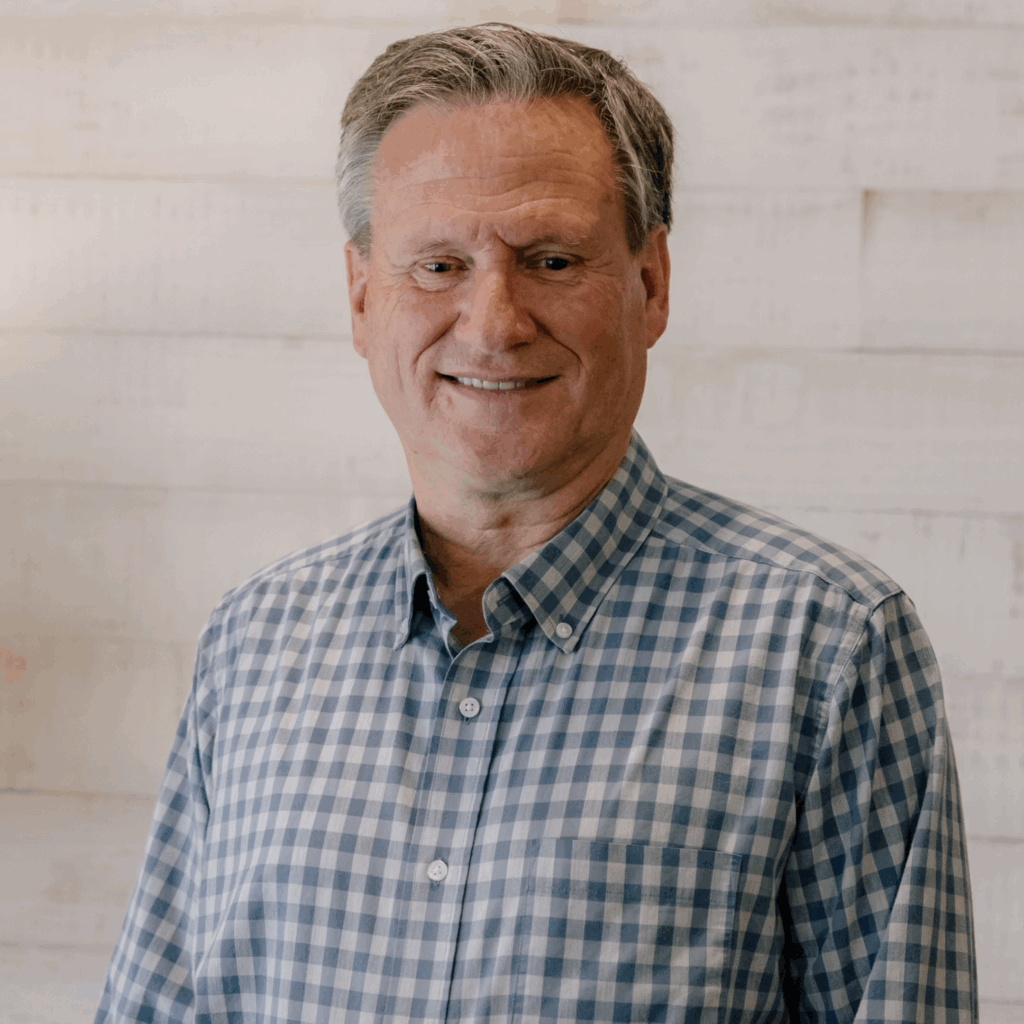
Dean Anderson
Founder & Lead Therapist
As a Licensed Clinical Social Worker with over 30 years of experience, Dean brings deep wisdom, compassion, and faith-based guidance to every session. He’s known for helping clients feel safe, understood, and empowered.
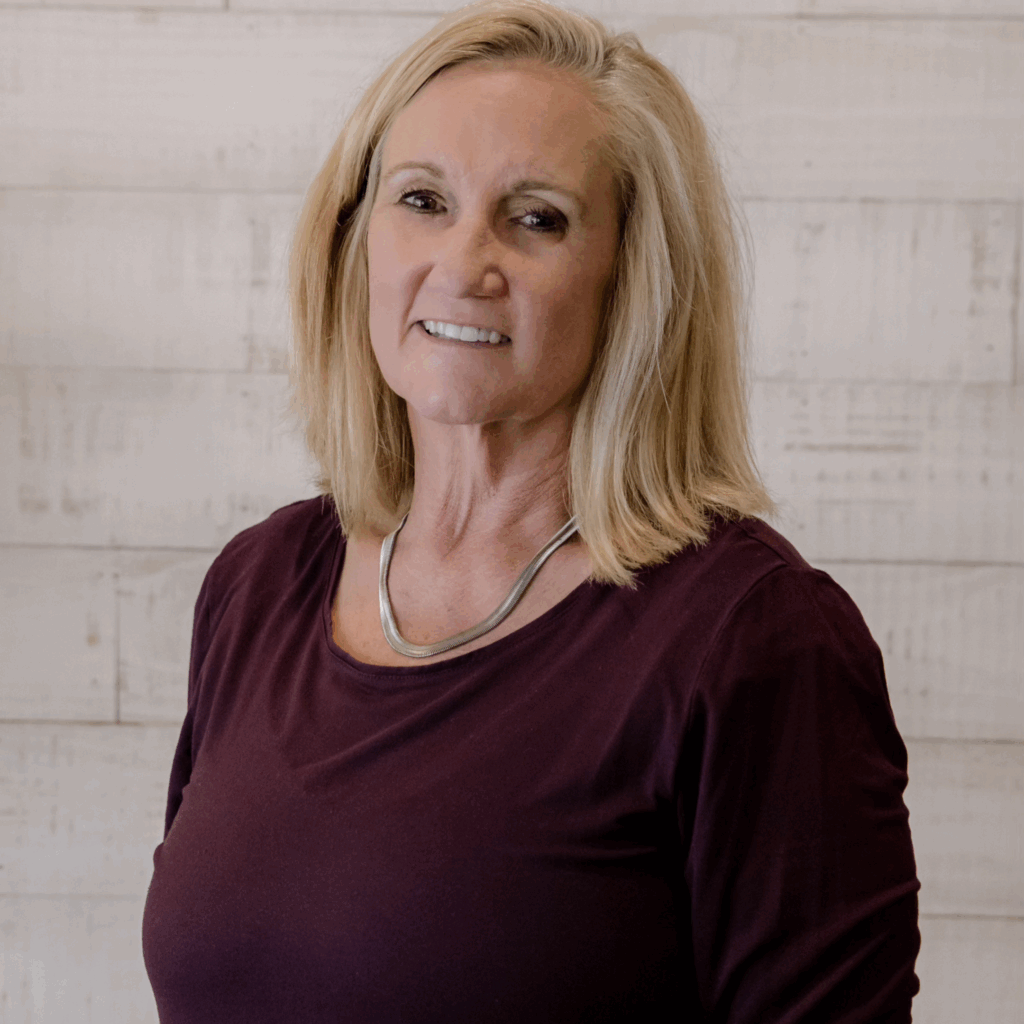
Becky Anderson
Receptionist
Becky is often the first friendly voice you’ll hear. Her warmth and genuine care help make every client feel welcome from the very first call.
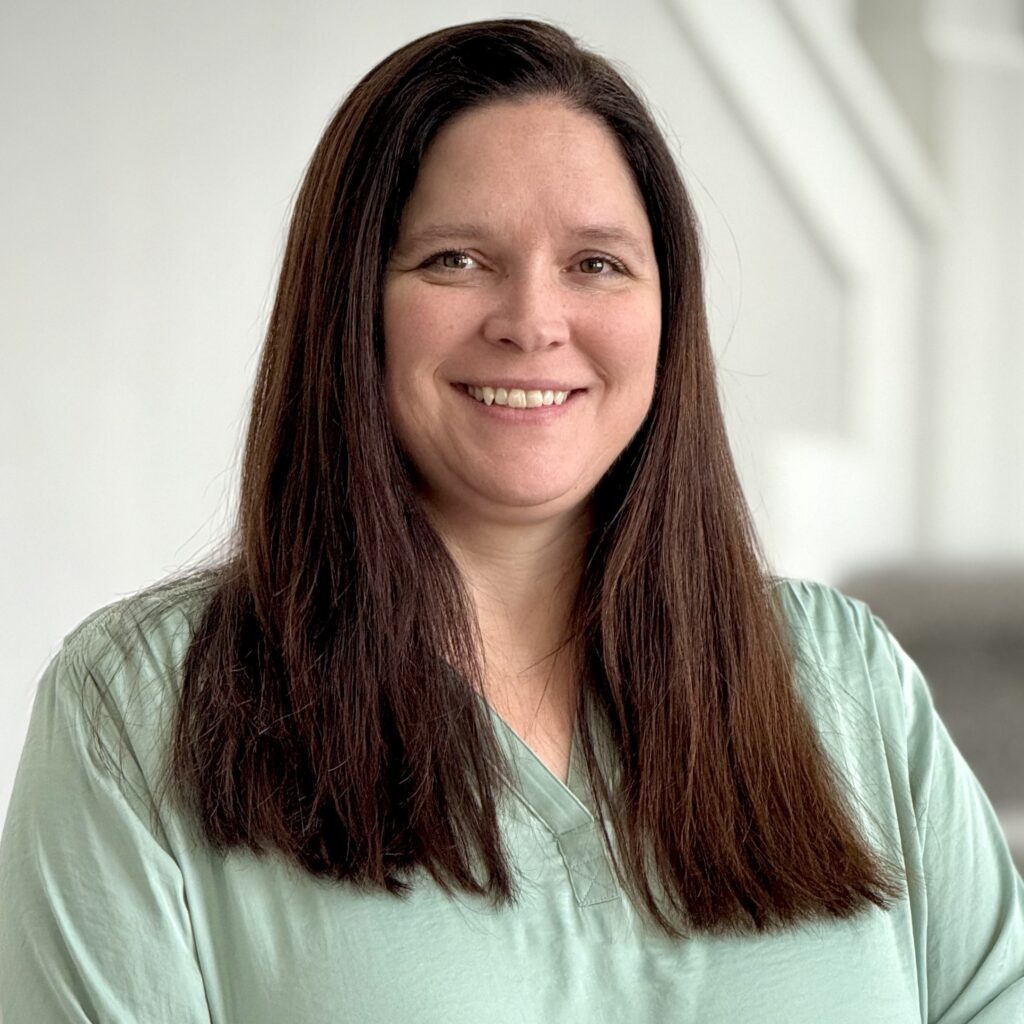
Emily Garcia
Office Manager
As a Social Service Worker, Emily supports clients with kindness and heart. She brings a calm, steady presence to our office, helping every person feel valued and supported.
Insights & Support from the Lighthouse Blog
Explore helpful articles on mental health, relationships, faith, and healing. Whether you’re navigating anxiety, seeking marriage counseling in Orem, Utah, or just looking for guidance, our blog is here to shine a light on your path forward.

Understanding Relationship Burnout: Signs and Solutions for Couples
August 1st 2025
Recognize the signs of relationship burnout and discover practical solutions to reignite your connection. Read the article to revive your partnership.
Recognizing the Subtle Signs of Depression: What You Need to Know
August 10th 2025
Discover the subtle signs of depression and learn how to recognize them. Understand the importance of awareness and get the support you need.
Navigating Grief & Grief‑Like
Losses
August 12th 2025
Struggling with grief after divorce, job change, or an empty nest? Learn what grief feels like after major life changes.